Introduction to the Energy Grid System Revolution
The energy grid system is a critical component of modern society, enabling the efficient distribution and management of electrical energy. The importance of sustainable energy for the future cannot be overstated, as it has the potential to significantly reduce our carbon footprint and create a more environmentally friendly world. For more information on energy systems, visit
energy grid system development. In this article, we will delve into the challenges associated with the existing energy infrastructure and the growing demand for sustainable energy solutions.
Current Challenges in the Energy Sector
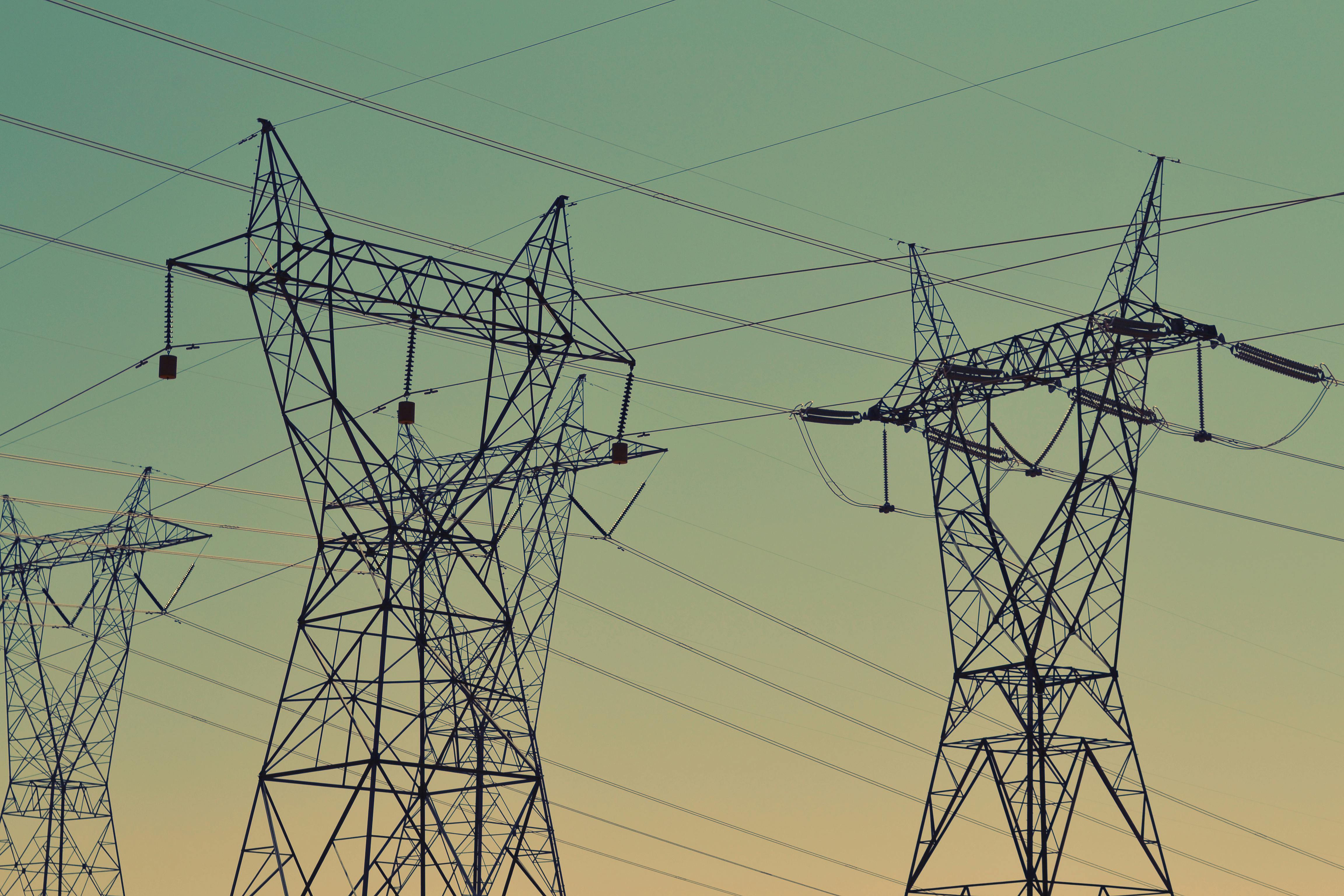
The world's energy demand is increasing rapidly, driven by population growth and economic development. As we continue to rely on non-renewable energy sources, the need for sustainable energy solutions becomes more pressing than ever. The current energy infrastructure faces numerous challenges, including an aging infrastructure, inadequate maintenance, and increasing demands on the system.
energy efficiency can play a crucial role in addressing these challenges.
The Need for Power Resilience and Sustainability
Energy grid systems are vital components of our daily lives, powering our homes, industries, and transportation systems. The need for sustainable energy solutions is becoming increasingly important, as climate change and energy security have become major concerns. To achieve power resilience and sustainability, it is essential to adopt a holistic approach, considering the entire energy value chain, from generation to consumption.
sustainable energy solutions can provide valuable insights into the latest technologies and strategies for achieving a sustainable energy future.
Understanding the Components of the Energy Grid System
Overview of Traditional Grid Infrastructure
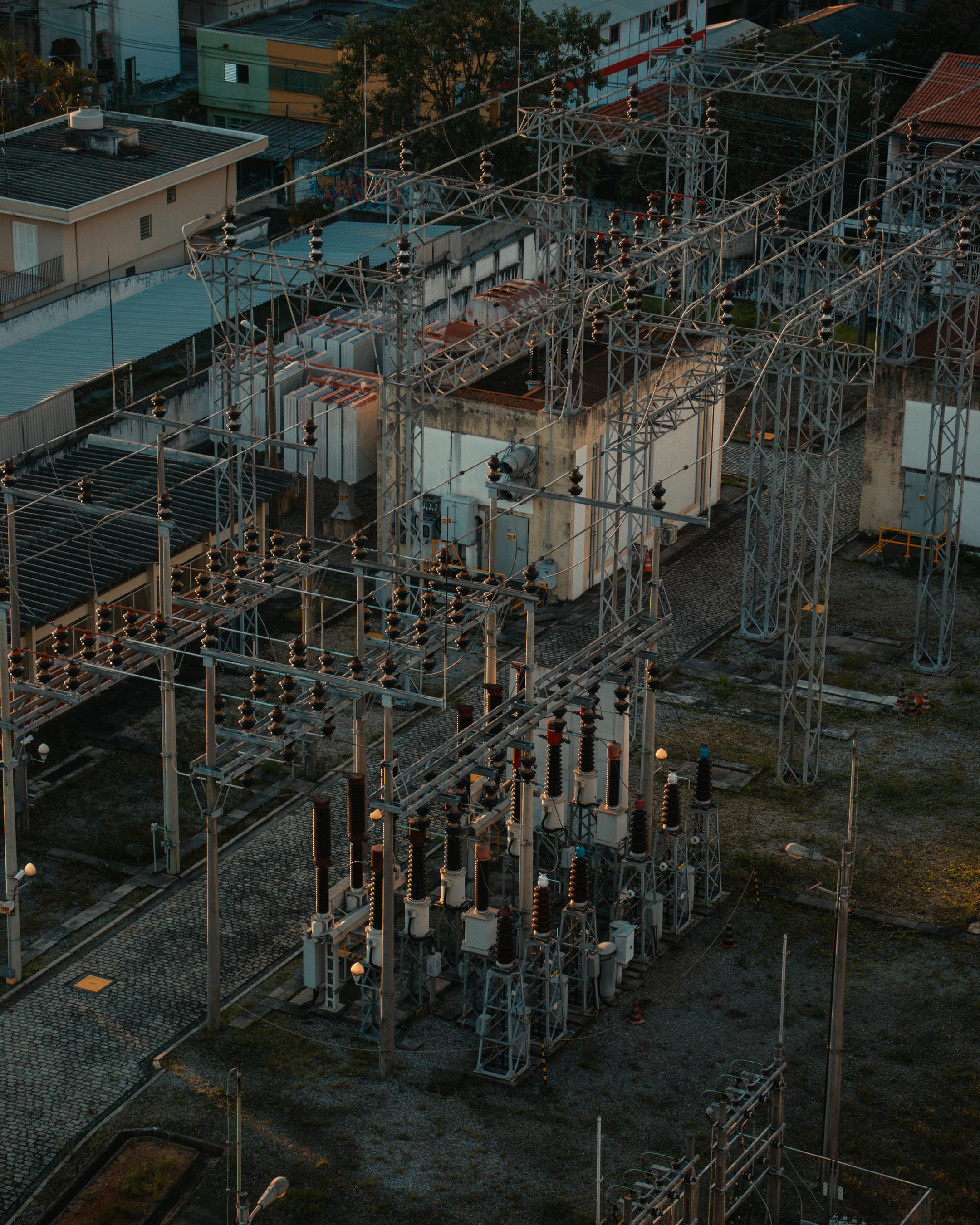
The traditional grid infrastructure has been in place for decades and consists of a complex network of power plants, transmission lines, and distribution systems. However, this infrastructure is facing numerous challenges, including aging equipment, inadequate maintenance, and increasing demands on the system.
Emerging Technologies for Grid Modernization
Emerging technologies, such as smart grids, microgrids, and energy storage systems, are revolutionizing the energy sector. These technologies have the potential to enhance grid resilience, reduce energy losses, and promote sustainable energy development.
energy storage systems can provide more information on the benefits and applications of these technologies.
The Role of Renewable Energy Sources in Grid Development
Renewable energy sources, such as solar and wind power, are becoming increasingly important for grid development. These sources can provide clean and sustainable energy, reducing our reliance on fossil fuels and mitigating climate change.
renewable energy sources can provide more information on the benefits and challenges of integrating renewable energy sources into the grid.
The Path to Achieving Power Resilience
Implementing Sustainable Energy Generation and Storage
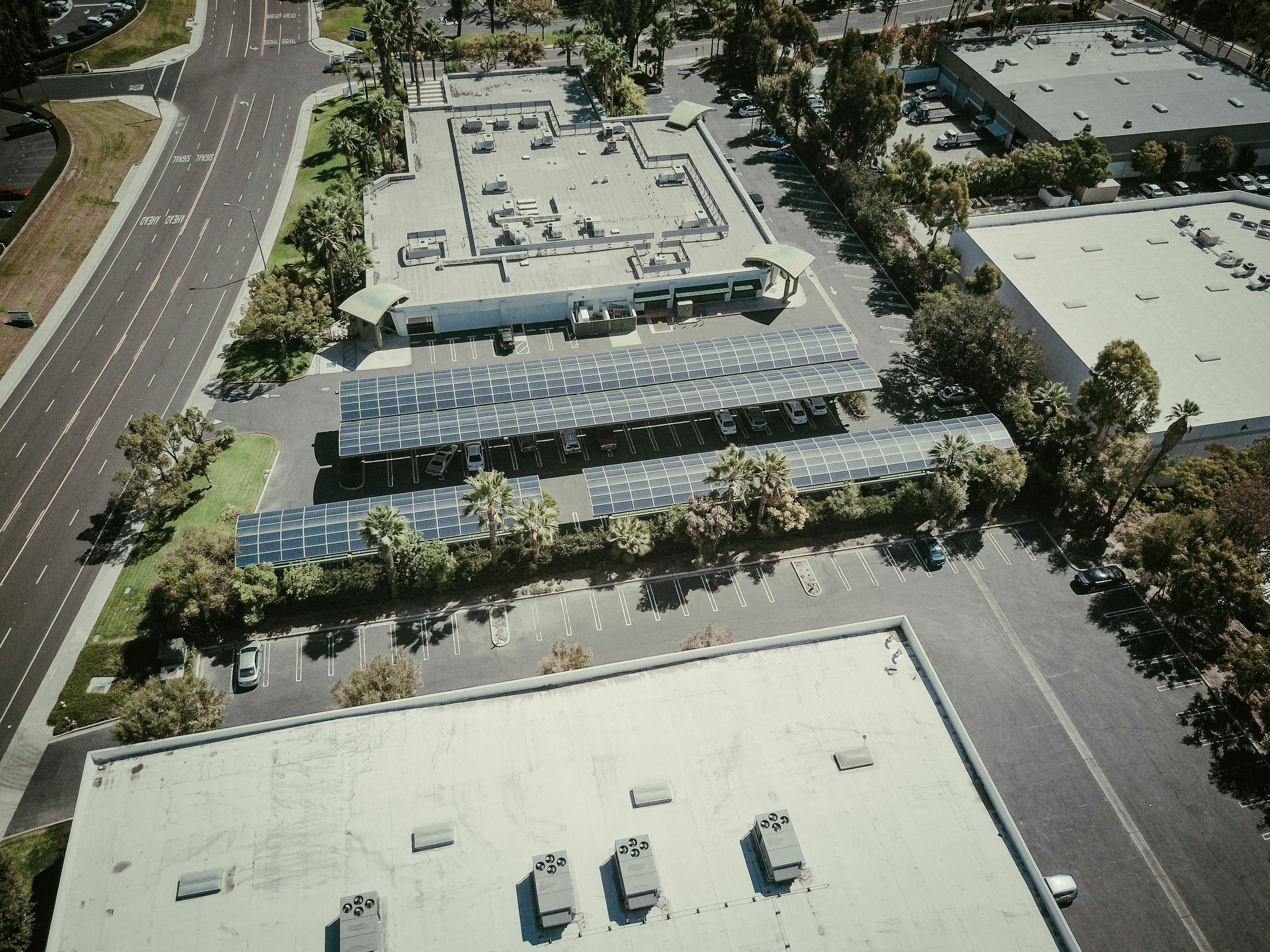
Sustainable energy generation and storage are critical components of a resilient energy grid system. Emerging technologies, such as solar panels and energy storage systems, can provide clean and reliable energy, reducing our reliance on fossil fuels and mitigating climate change.

Integrating Advanced Grid Management Systems and Technology
Advanced grid management systems and technology, such as smart grids and IoT devices, can enhance grid resilience and reduce energy losses. These systems can provide real-time monitoring and control, enabling utilities to respond quickly to grid disruptions and optimize energy distribution.
grid management systems can provide more information on the benefits and applications of these technologies.
Enhancing Grid Security and Reliability through Innovative Solutions
Innovative solutions, such as cybersecurity measures and energy storage systems, can enhance grid security and reliability. These solutions can provide an additional layer of protection against cyber threats and grid disruptions, ensuring a reliable and efficient energy supply.
grid security solutions can provide more information on the latest technologies and strategies for enhancing grid security.
Deep Dive into Energy Grid System Technologies
The Impact of Artificial Intelligence and IoT on Grid Operations
Artificial intelligence and IoT devices are transforming the energy sector, enabling utilities to optimize grid operations and improve customer service. These technologies can provide real-time monitoring and control, enabling utilities to respond quickly to grid disruptions and optimize energy distribution.
The Potential of Smart Grids and Microgrids for Local Energy Management
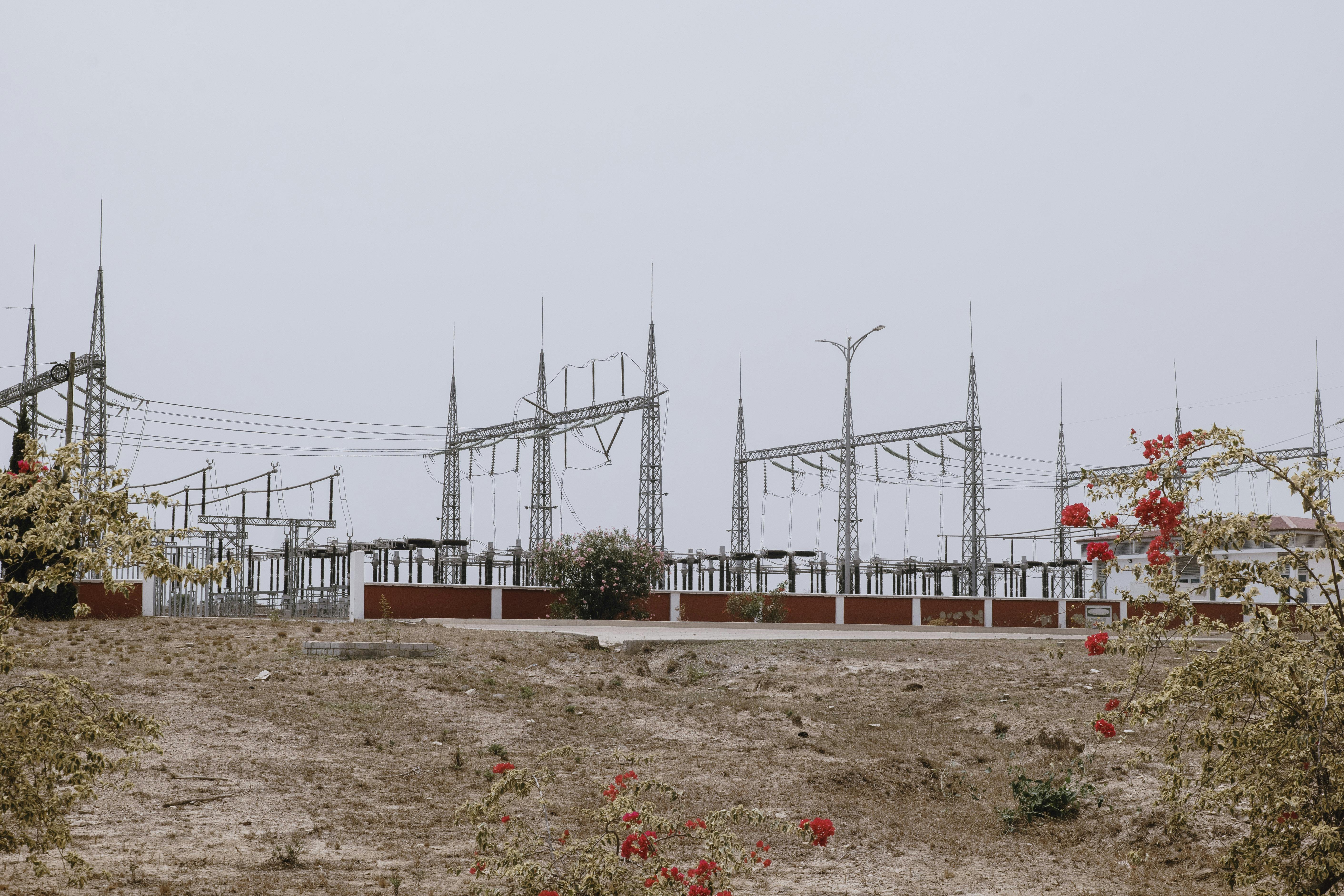
Smart grids and microgrids have the potential to revolutionize local energy management, enabling communities to generate and distribute their own energy. These systems can provide clean and reliable energy, reducing our reliance on fossil fuels and mitigating climate change.
microgrids can provide more information on the benefits and applications of these technologies.
Examining the Benefits and Challenges of Grid-Scale Energy Storage
Grid-scale energy storage systems have the potential to enhance grid resilience and reduce energy losses. However, these systems also face several challenges, including high upfront costs and limited scalability.
grid-scale energy storage can provide more information on the benefits and challenges of these systems.
Strategies for Sustainable Energy Development and Grid Modernization
Policy and Regulatory Frameworks for Encouraging Sustainable Practices
Policy and regulatory frameworks play a critical role in encouraging sustainable energy practices. Governments and utilities can implement policies and regulations that promote the adoption of renewable energy sources and energy-efficient technologies.
Public-Private Partnerships and Collaborative Efforts for Grid Resilience
Public-private partnerships and collaborative efforts are essential for achieving grid resilience. Utilities, governments, and private companies can work together to develop and implement innovative solutions, such as smart grids and energy storage systems.
public-private partnerships can provide more information on the benefits and applications of these partnerships.
Investing in Research and Development for Future Energy Technologies
Investing in research and development is critical for the development of future energy technologies. Governments and private companies can invest in R&D initiatives that focus on emerging technologies, such as hydrogen fuel cells and advanced nuclear power.
future energy technologies can provide more information on the latest developments and trends in the energy sector.
Practical Applications and Case Studies of Energy Grid System Revolution
Real-World Examples of Successful Grid Modernization Projects
Several grid modernization projects have been successfully implemented around the world, demonstrating the potential of emerging technologies to enhance grid resilience and reduce energy losses.
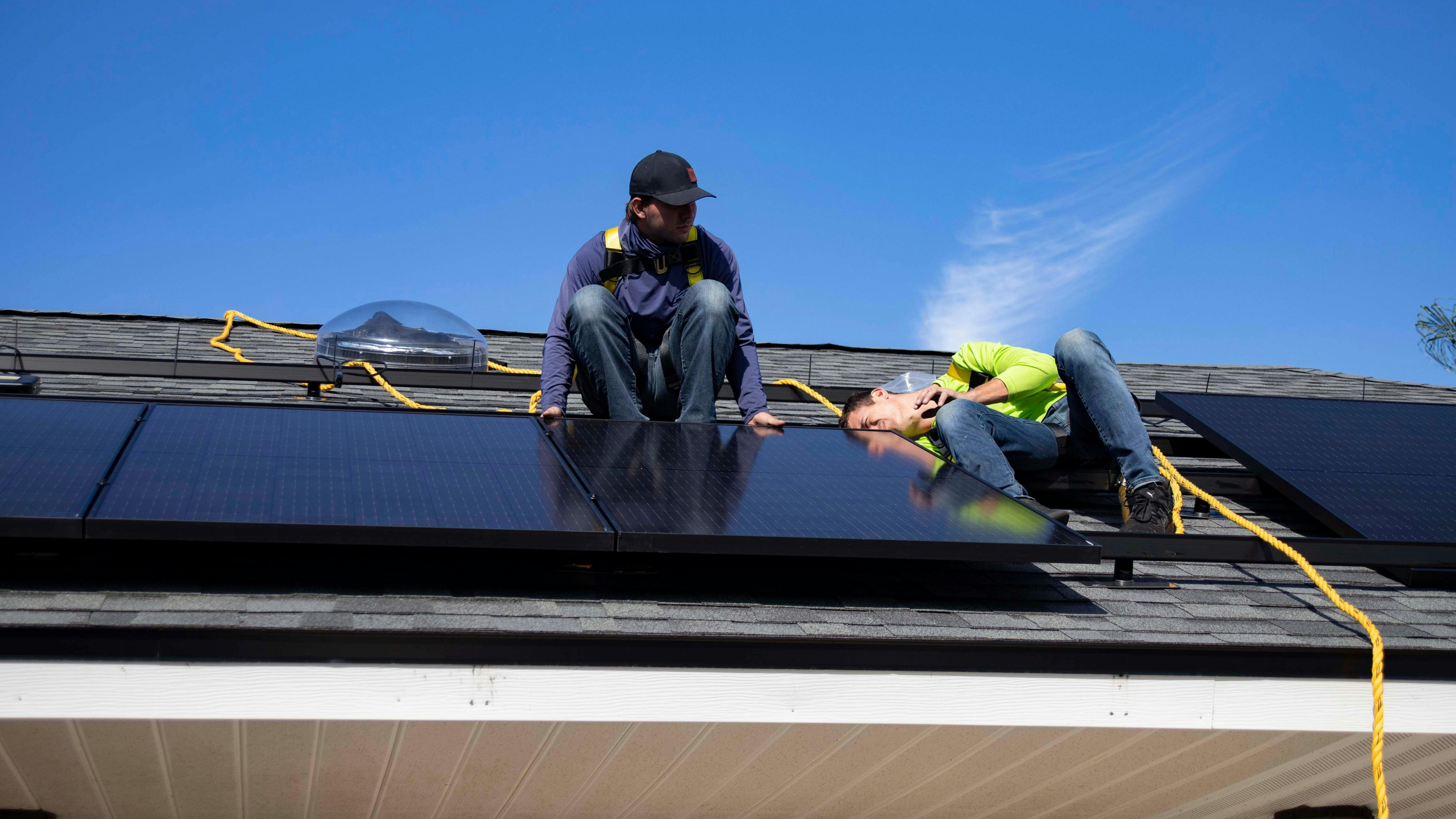
Lessons Learned from Implementing Sustainable Energy Solutions
Implementing sustainable energy solutions can provide valuable lessons for utilities and governments. These lessons can include the importance of public-private partnerships, the need for policy and regulatory frameworks, and the benefits of investing in research and development.
sustainable energy solutions can provide more information on the benefits and challenges of implementing these solutions.
Overcoming Barriers to Adoption and Ensuring Equitable Access to Energy
Several barriers to adoption can hinder the widespread adoption of sustainable energy solutions, including high upfront costs and limited access to financing. To overcome these barriers, governments and utilities can implement policies and programs that promote equitable access to energy, such as net metering and community solar programs.
equitable access to energy can provide more information on the benefits and challenges of these programs.
Conclusion and Future Outlook for the Energy Grid System
The Future of Energy: Trends, Opportunities, and Challenges
The future of energy is rapidly evolving, with emerging technologies and trends transforming the energy sector. The increasing adoption of renewable energy sources, energy storage systems, and smart grids will continue to shape the energy landscape, providing opportunities for sustainable energy development and grid modernization.

Call to Action for Stakeholders and Individuals to Contribute to Power Resilience
Stakeholders and individuals can contribute to power resilience by adopting sustainable energy practices, investing in energy-efficient technologies, and supporting policies and programs that promote grid modernization.
power resilience can provide more information on the benefits and applications of these practices.
Final Thoughts on the Energy Grid System Revolution and Its Potential for Global Impact
The energy grid system revolution has the potential to transform the energy sector, enabling the widespread adoption of sustainable energy solutions and enhancing grid resilience. As the world continues to evolve and grow, it is essential to prioritize sustainable energy development and grid modernization, ensuring a reliable and efficient energy supply for generations to come.
energy grid system revolution can provide more information on the latest developments and trends in the energy sector.
[FAQ]
What is the energy grid system?
The energy grid system is a complex network of power plants, transmission lines, and distribution systems that enable the efficient distribution and management of electrical energy.
Why is sustainable energy important?
Sustainable energy is important because it has the potential to significantly reduce our carbon footprint and create a more environmentally friendly world. Sustainable energy sources, such as solar and wind power, can provide clean and reliable energy, reducing our reliance on fossil fuels and mitigating climate change.
How can I contribute to power resilience?
You can contribute to power resilience by adopting sustainable energy practices, investing in energy-efficient technologies, and supporting policies and programs that promote grid modernization. Additionally, you can stay informed about the latest developments and trends in the energy sector and participate in public discussions and debates about energy policy and regulation.